
As the world races into the future, artificial intelligence—often called AI—is quickly becoming one of the most powerful tools in human history. It can help doctors spot diseases faster, farmers grow more food, and businesses create new jobs. But just like any powerful tool, AI can be dangerous if it’s misused or controlled by the wrong people.
That’s why the latest meeting of the G7 tech ministers matters so much. The White House sent its top science and technology advisor, Michael Kratsios, to speak on behalf of the United States. He told leaders from around the world that it’s time to get rid of red tape that slows down innovation. In plain terms, he said that too many rules—especially old ones—are getting in the way of American creativity and progress.
Kratsios explained that the U.S. wants to lead the world in AI, but that can’t happen if the government keeps tying innovators’ hands. He said we need “smart, sector-specific regulations.” That means rules that make sense for different industries—like medicine, transportation, or farming—without crushing new ideas before they even take off.
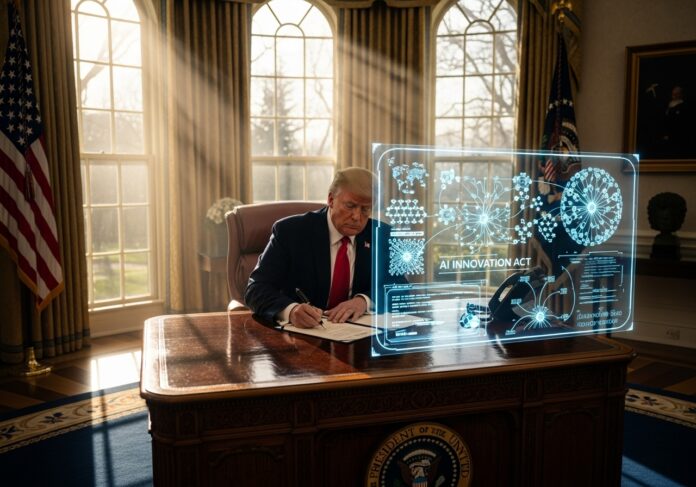
President Donald Trump agrees. He has made AI a major part of his second term. Earlier this year, he signed an executive order that rolled back old regulations on AI, many of which were written before the technology even existed in its current form. Critics say this move could be risky. But President Trump believes the real danger is falling behind. If we let other countries take the lead in AI, America’s economic future could slip away.
In fact, President Trump is about to sign another executive order—the “One Rule” plan—to make sure we have one national approach to AI, not fifty different ones. He says that if each state makes its own rules, businesses won’t know what to do, and innovation will die before it even gets started. That’s a real concern, especially when countries like China are pushing full speed ahead with their own AI plans.
However, not everyone agrees with this federal approach. Florida Governor Ron DeSantis says states should have a strong say in how AI is used and regulated. He warns that a single national rule could end up helping Big Tech companies more than the American people. For example, if states lose control, they might not be able to stop online censorship, protect children from dangerous apps, or stop tech companies from draining local resources like water and electricity.
Governor DeSantis is right to be cautious. Our Constitution was built on the idea that power should be shared between the federal government and the states. That balance keeps tyranny in check and lets local communities solve problems their own way. But we also can’t forget that some challenges—like national defense, or in this case, global competition in AI—require a strong, united response.
So what’s the answer? It’s not to let Big Tech write its own rules, and it’s not to let bureaucrats in Washington or state capitals smother innovation with outdated laws. The answer is to follow the Constitution. Let Congress set broad national goals that protect liberty and encourage growth, while allowing states to guard their people from real threats like censorship and privacy invasion.
AI is not just about technology; it’s about freedom. If we want the future to be shaped by American values—free speech, private property, and the rule of law—we must act now. We must remove the barriers that choke innovation while keeping checks in place to prevent abuse.
As President Trump and leaders across the states debate how best to lead the world in AI, the real question is this: Will America remain the land of invention and liberty, or will we let fear and red tape hold us back?
We must choose wisely—and choose freedom.